Short-Term Rental Tips: Maximising Your ROI
- AV Hughes Properties

- Sep 25, 2025
- 3 min read
Are you a landlord or property owner considering whether short-term rentals are worth the investment?
With the growth of platforms such as Airbnb, Booking.com, and Vrbo, many landlords are switching from long-term tenancies to short stays to achieve higher occupancy rates and increase rental income.
But how do you ensure your property stands out and delivers the best possible return on investment (ROI)?
This guide shares practical tips on furnishing, pricing, and marketing your property so you can stay ahead of the competition and turn your rental into a consistent source of income.

1. Short-Term vs Long-Term Rentals: Which Offers Better ROI?
Before listing your property, weigh up the pros and cons of short-term vs long-term rentals.
1. Short-term rentals can command higher nightly rates, particularly in high-demand areas and during peak seasons such as holidays, festivals, and local events.
2. Long-term rentals provide stability and lower turnover costs, but you miss the flexibility of adjusting prices to market demand.
Tip: If your property is located in a demand hotspot—for example city centres, tourist districts, or near major business hubs—short-term rentals often outperform long-term lets when managed effectively.

2. Furnish for Profit: Create a Space Guests Will Pay More For
Short-term guests expect a fully furnished, move-in ready home. To attract high-paying tenants:
Invest in durable furniture that is stylish yet easy to maintain.
Provide high-quality bedding and hotel-style essentials such as fast Wi-Fi, a smart TV, and a coffee machine.
Opt for neutral décor with subtle pops of colour to appeal to a wide range of guests.
Pro Tip: Properties with Instagram-worthy interiors often receive more bookings and better reviews, driving repeat guests and higher income.

3. Smart Pricing Strategies to Maximise Occupancy
Pricing can make or break your rental income. To stay competitive:
Track local occupancy rates and seasonal demand using tools such as AirDNA or PriceLabs.
Adjust rates during high-demand periods (festivals, bank holidays, conferences) to increase profit.
Offer discounts for longer stays to reduce gaps in your booking calendar.
Remember: Dynamic pricing—regularly adjusting rates based on demand—keeps your property fully booked and ensures you capture the highest possible income.

4. Location Matters: Target Demand Hotspots Not all properties perform equally. Focus on areas with:
Tourist attractions (seaside towns, heritage sites, city centres)
Business travellers (close to airports, business parks, conference venues)
Seasonal events (music festivals, sporting fixtures, cultural fairs)
Hot tip: Even within a single city, micro-locations matter. A flat near public transport, cafés, or trendy shops can command a premium.




Nearby spots near our Milton Keynes Accommodation
5. Build Guest Trust to Boost Bookings
Excellent reviews lead to more bookings. Make sure to:
Respond to enquiries quickly.
Provide clear check-in instructions.
Maintain a spotless property—cleanliness is non-negotiable.
If you own several properties or lack time to manage day-to-day operations, consider hiring a property management service to handle cleaning, guest communication, and pricing optimisation

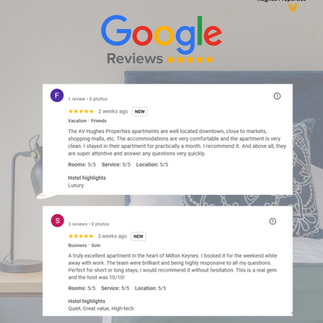


AV Hughes Properties Guest Reviews
Key Takeaway
Short-term rentals can deliver a higher ROI than traditional long-term lets when managed properly. By furnishing smartly, pricing strategically, and focusing on high-demand areas, landlords can enjoy strong returns and consistent occupancy.
Whether you own a single flat or a portfolio of properties, the key is to treat your rental as a business, not just a side hustle. 💡 Next Step
Looking for a trusted accommodation provider or advice on managing your rental property? 👉 Contact us today: Contact | AV Hughes Properties Ltd | England
📱 +44 7845 025299


Fantastic advice, thanks
Helpful tips! Thanks
Great!
Amazing 🤩